Why Premium Cannabis Diamonds Are the Peak of Concentrate Purity
@premiumcannabisdiamondshouse
The Shift Toward Crystal-Clear Potency
Walk into any dispensary these days and you will see jars filled with amber oils, waxy blocks, and powdery kief. But the products that stop experienced consumers mid-stride are the ones that look like a handful of cracked ice. These are cannabis diamonds, and they represent something close to the purest form of THC you can buy. I have been following concentrate evolution for years, and I can tell you that the jump from old-school shatter to the crystallized THC we see now is not just a marketing gimmick. It is a genuine leap in extraction science.
When I first tried a dab of live resin back in 2016, I thought it was as good as it gets. The terpene profile was vivid, the high was sharp. But live resin still contains a fair amount of plant waxes and lipids. That is fine for many uses, but it caps the potency ceiling. What changed everything was the move toward isolating cannabinoids in their pure crystalline form. That is where premium cannabis diamonds enter the picture. These are not just crushed kief or pressed hash. They are actual crystals of THC that form under carefully controlled conditions, and they can test well above 95% total cannabinoids.
What Makes a Diamond a Diamond
The term "diamond" in the cannabis world can be confusing at first. It does not refer to actual carbon diamonds, obviously. It refers to the physical structure of the cannabinoid isolate. When THC molecules precipitate out of a solution in the right conditions, they arrange themselves into a crystalline lattice. That lattice looks like tiny, translucent shards. If you hold them under a light, they sparkle. That sparkle is a visual cue that you are dealing with a high-purity product, one that has been stripped of most of the fats, chlorophyll, and other plant debris that dilute other concentrates.
There are several ways to make these crystals. The most common method in commercial production uses a hydrocarbon solvent like butane or propane in a closed-loop system. The solvent dissolves the cannabinoids from the plant material, then it is evaporated away, leaving behind a waxy crude that still needs further refinement. That crude is then washed with a cold solvent to separate the crystalline fraction from the amorphous wax. Some producers use a process called turbo extraction, which speeds up the crystallization step by controlling temperature and pressure very tightly. The result is a batch of diamonds grade material that can be sold as is or pressed into other forms.
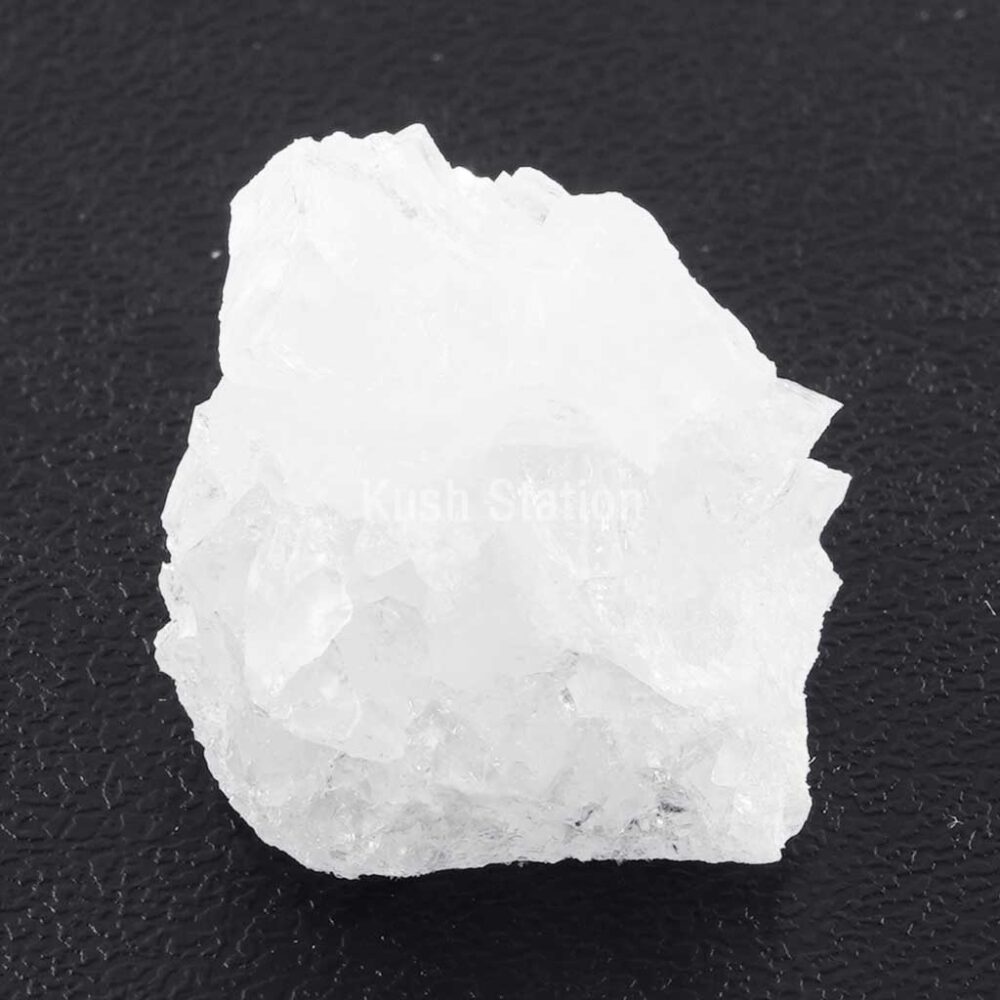
I have seen operations that skip the final polish step, and you can tell. The crystals look dull, almost like candle wax that has been grated. True premium cannabis diamonds are translucent, brittle, and break with a clean snap. They should not feel greasy or leave a residue on your fingers. If they do, you are looking at a product that still contains too much paraffin wax or residual solvent.
Solvent-Free and Cold-Cure Approaches
Not everyone wants hydrocarbon solvent in their concentrate. For those consumers, there is a growing segment of solvent-free diamonds made through mechanical separation and cold cure. The process starts with frozen heads of trichomes, which are the resin glands that contain most of the THC. These frozen heads are sifted through fine mesh to produce a kief that is rich in intact gland heads. That kief is then placed in a mason jar and stored at subzero temperatures for weeks. Over time, the THC within the trichomes slowly crystallizes without any chemical intervention. The result is a product that looks similar to solvent-extracted diamonds but retains a more complete terpene profile, because the delicate aromatic compounds are not stripped away by the solvent.
Cold cure diamonds have a lower total THC percentage than solvent-extracted ones, often in the high 80s rather than the high 90s, but many connoisseurs prefer them for flavor. I have a friend who only buys cold cure diamonds for his dab rig, and he swears the flavor is night-and-day compared to anything that touched hexane extraction. He is not wrong. The trade-off is real: you sacrifice a few points of potency for a much richer taste experience. For some applications, like making edibles or tinctures, the solvent-free route is also preferred because there is zero concern about residual chemicals.
How to Judge Quality in the Wild
If you are shopping for premium cannabis diamonds, here are the things I look for before I hand over my money:
- Appearance. The crystals should be clear or very pale amber. Cloudy white can indicate the presence of plant wax or incomplete crystallization. Dark amber means oxidation has started.
- Texture. They should be hard and brittle. If you press a crystal between your fingers and it smears like butter, it is not pure enough. Real diamonds shatter into smaller crystals.
- Aroma. A strong, specific scent that matches the strain name is a good sign. If it smells like nothing or like generic grass, the terpenes have been lost. Jack Herer diamonds should smell like pine and spice, not like hay.
- Solubility. Drop a tiny crystal into a drop of ethanol. It should dissolve completely without leaving a cloudy residue. That cloudiness is wax.
- Source. Know who made it. Reputable producers will share their extraction method, solvent used, and test results. RX cannabis producers are held to higher standards, and their diamonds tend to be cleaner.
These checks are not just for snobs. They save you from buying product that is cut with synthetic cannabinoids or that contains leftover solvent. I have seen diamonds that looked perfect but tasted like lighter fluid because the purging step was rushed. Trust your nose and your eyes.
Uses Beyond Dabbing
Most people reach for diamonds when they want to load a dab rig and take a massive hit. That is the obvious use, and it works extremely well. A single grain of rice-sized piece can deliver a hit that feels like it expands your skull. But there are other uses that do not get enough attention.
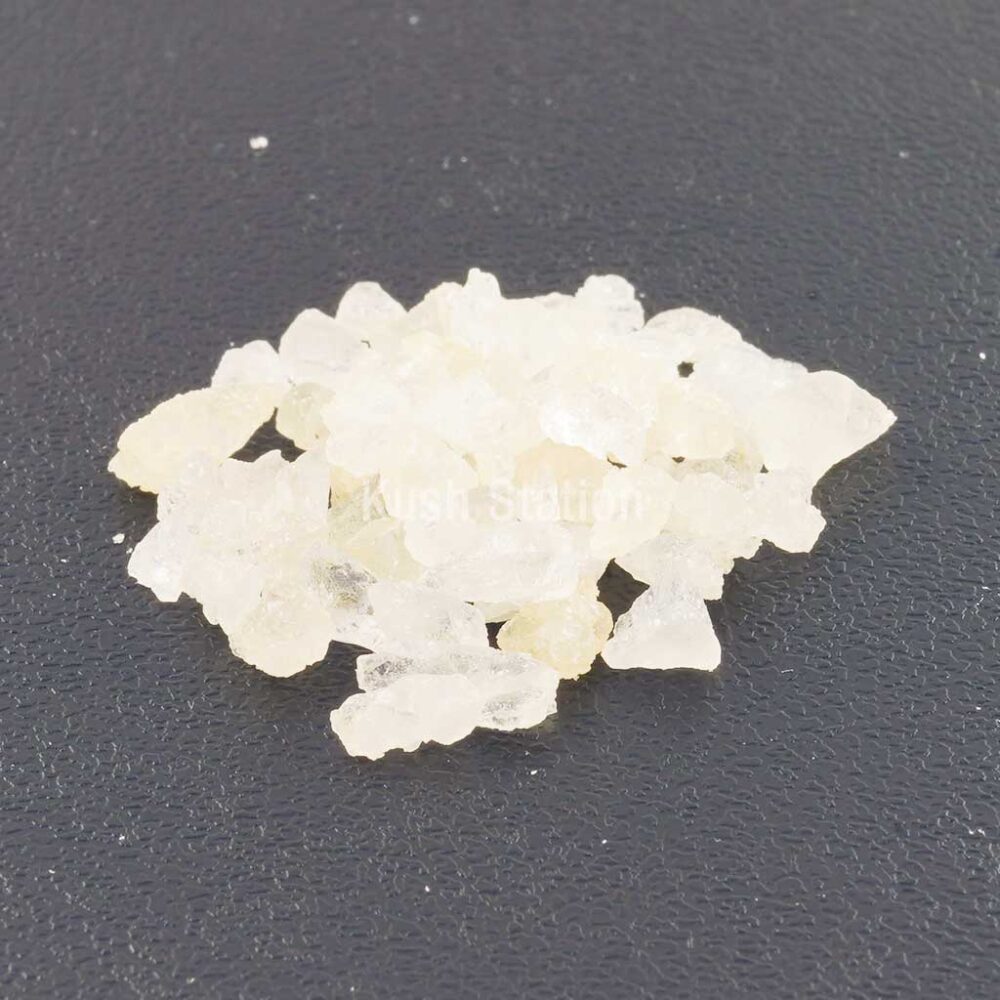
One of my favorites is infusing diamonds into a carrier oil for making tinctures or topicals. Because diamonds are nearly pure THC, you can precisely dose a batch of oil. You weigh out 100 milligrams of crystals, dissolve them in a measured amount of MCT oil, and you know exactly how many milligrams per milliliter you have. That is much harder to do with a sticky resin or a gooey wax. Another use is adding diamonds to a bowl of flower or a joint. Some people crumble a few crystals on top for a potency boost. It works, but it burns fast. I prefer to sandwich them between layers of herb so they vaporize slowly.
A surprising trend I have seen in the last year is using diamonds in edibles. Some bakers dissolve crystallized THC into butter or coconut oil and then use that fat in recipes. The result is a very clean edible with no plant taste. I tried a batch of Pop Tarts made with diamond-infused butter at a friend's house, and they were the most consistent edibles I have ever had. No hot spots, no weird bitterness. Just a steady, predictable effect that started after about 45 minutes.
The Economics of Purity
Premium cannabis diamonds are not cheap. You will pay a premium over live resin or shatter, sometimes two or three times as much per gram. Part of that is the yield. A pound of good flower might yield 20 percent live resin but only 3 to 5 percent diamonds. The rest of the plant material becomes low-grade extract or is discarded. The other part is the equipment cost. Making diamonds requires vacuum ovens, closed-loop solvent systems, and precise environmental controls. That is not home-kitchen gear.
But the price also reflects the experience. When you hit a diamond, you get almost none of the throat irritation that comes from smoking plant waxes and chlorophyll. The vapor is smoother, the high is cleaner, and the comedown is less muddy. For medical users, that matters a lot. Someone using RX cannabis for chronic pain does not want to inhale a bunch of plant debris. They want the cannabinoid isolate, period. That is what diamonds deliver.
There is also a growing market for "diamonds grade" material among extractors who buy in bulk. These buyers take large quantities of diamonds and then blend them with terpenes or other cannabinoids to create custom formulations. If you buy a gram of diamonds, you are buying the raw ingredient that those extractors use. It is the most versatile form of THC there is.
Storing and Handling Diamonds
Cannabis diamonds are delicate. They are not stable at room temperature for long periods. Heat causes them to melt into an amber goo. Light degrades them. Moisture can make them clump. The best storage is a small glass jar kept in a cool, dark drawer. Some people add a silica gel pack to keep humidity low. I use a mason jar with a tight seal and I never open it until the jar has come to room temperature. Opening a cold jar lets humid air condense on the crystals, and that moisture will ruin them within days.

Handling diamonds requires a clean tool. A metal dabber works, but the crystals can stick to it. I prefer a ceramic or titanium tool that I warm slightly before touching the diamonds. That way they slide off easily. Never touch them with your fingers. The oils from your skin will dissolve the crystals and leave a mess.
The Bottom Line
The world of concentrates has moved fast. A decade ago, we were happy to get a gram of decent shatter. Now consumers expect 90 percent-plus purity and they want to see the crystals. Premium cannabis diamonds are the logical endpoint of that trend. They offer the highest potency, the cleanest vapor, and the most predictable dosing available. Whether you are a dab enthusiast, a medical patient, or a curious newcomer, understanding what diamonds are and how to judge them will save you money and give you a better experience. The sparkle is not just for Instagram. It is proof that someone took the time to do the extraction right.